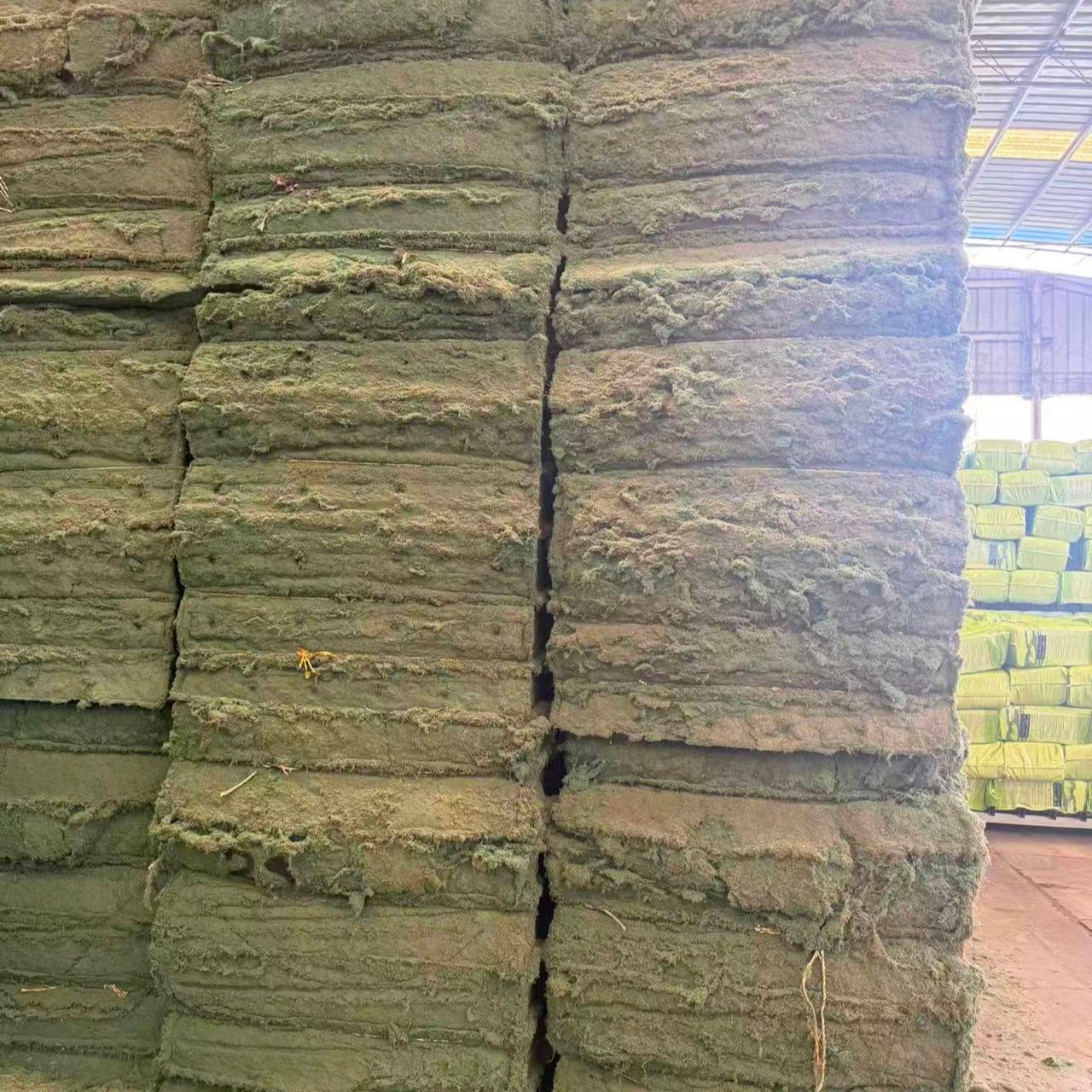
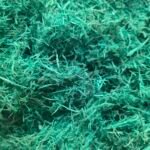
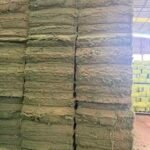
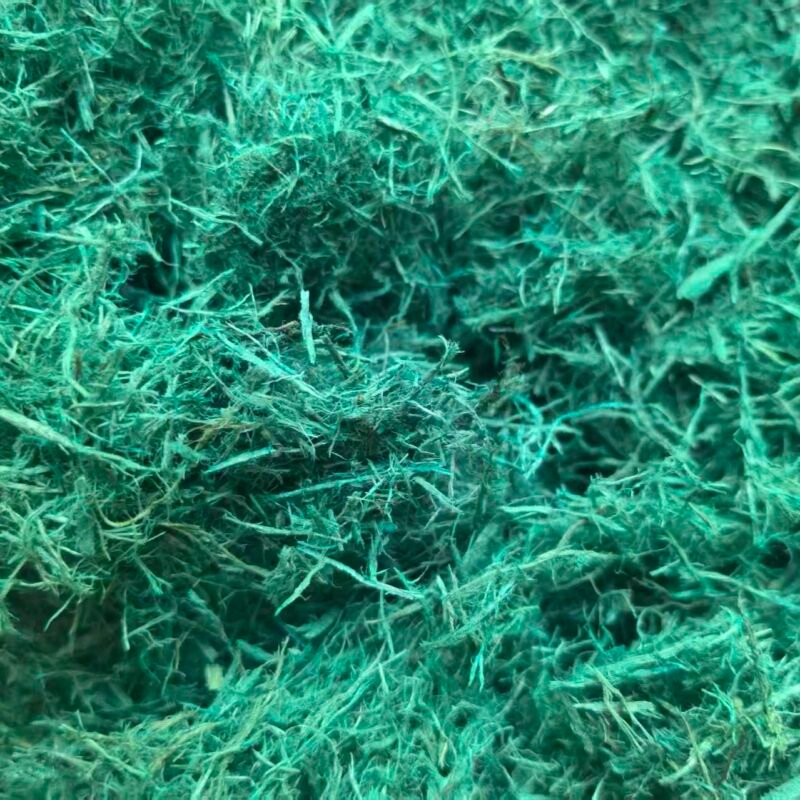
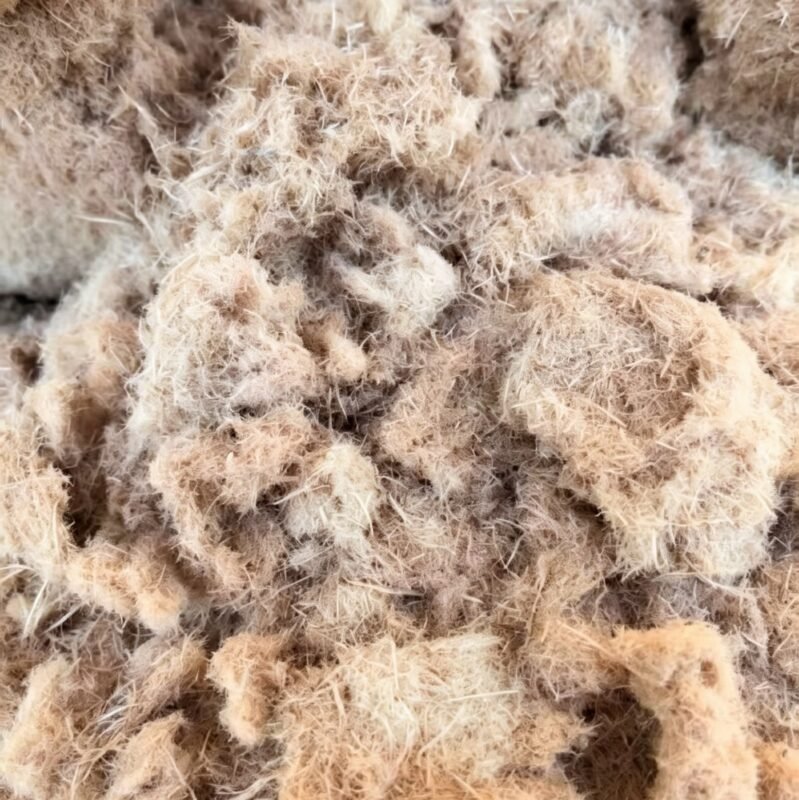
Poplar wood fiber is a special hydroseeding substrate made of high-quality poplar. It is manufactured via high-temperature cooking, crushing, defibration, dust removal and fine fibrillation, offered in natural color and eco-friendly green dyed versions. It boasts excellent fiber interlocking performance with nearly neutral pH value, and can be used with various grass seeds, biostimulants and microbial inoculants for slope ecological restoration projects.
💡 Advantages of High-Temperature Cooking Process:
High-temperature curing removes tannins, resins and other germination-inhibiting substances in timber, reducing adverse impacts on grass seeds.
Fibers are fully softened and fibrillated for better interlocking & water retention, improving anti-erosion performance on slopes.
Kills mold spores and insect eggs contained in raw materials, lowering mold growth risk of hydroseeded layer.
Free of harmful chemicals, stable organic matter, releases nutrients gradually during degradation.
The fibers interlock with each other and form a porous, stable matrix after hydroseeding. It retains moisture and resists rain erosion. Rich in organic matter, it degrades gradually over time to continuously supply nutrients for vegetation and improve the substrate conditions of rocky and barren slopes.
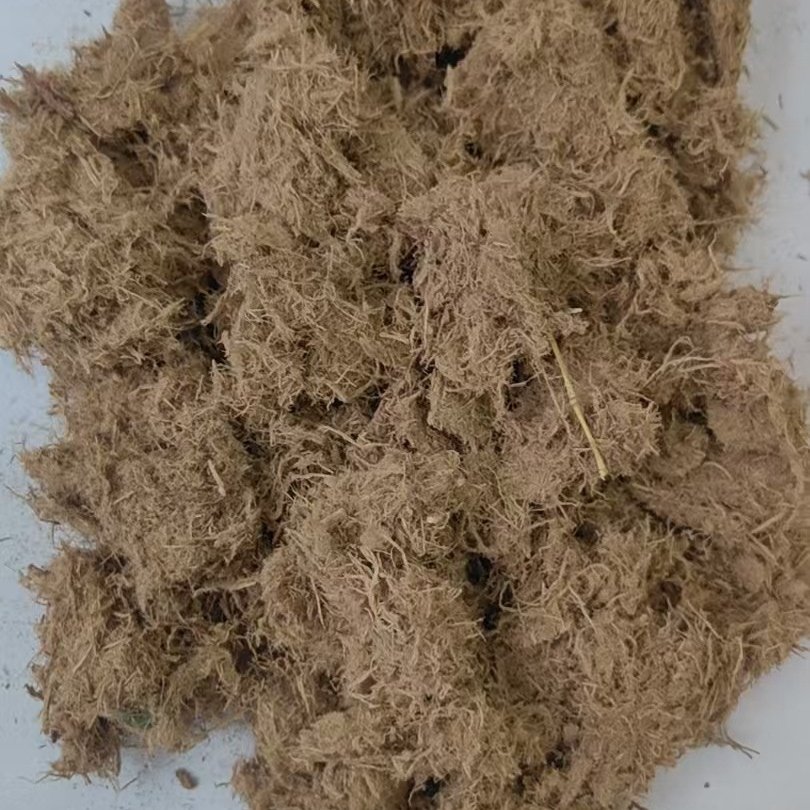
Natural Poplar Wood Fiber: Original wood tone, no dye added, eco raw type, suitable for general mine and highway slope hydroseeding.
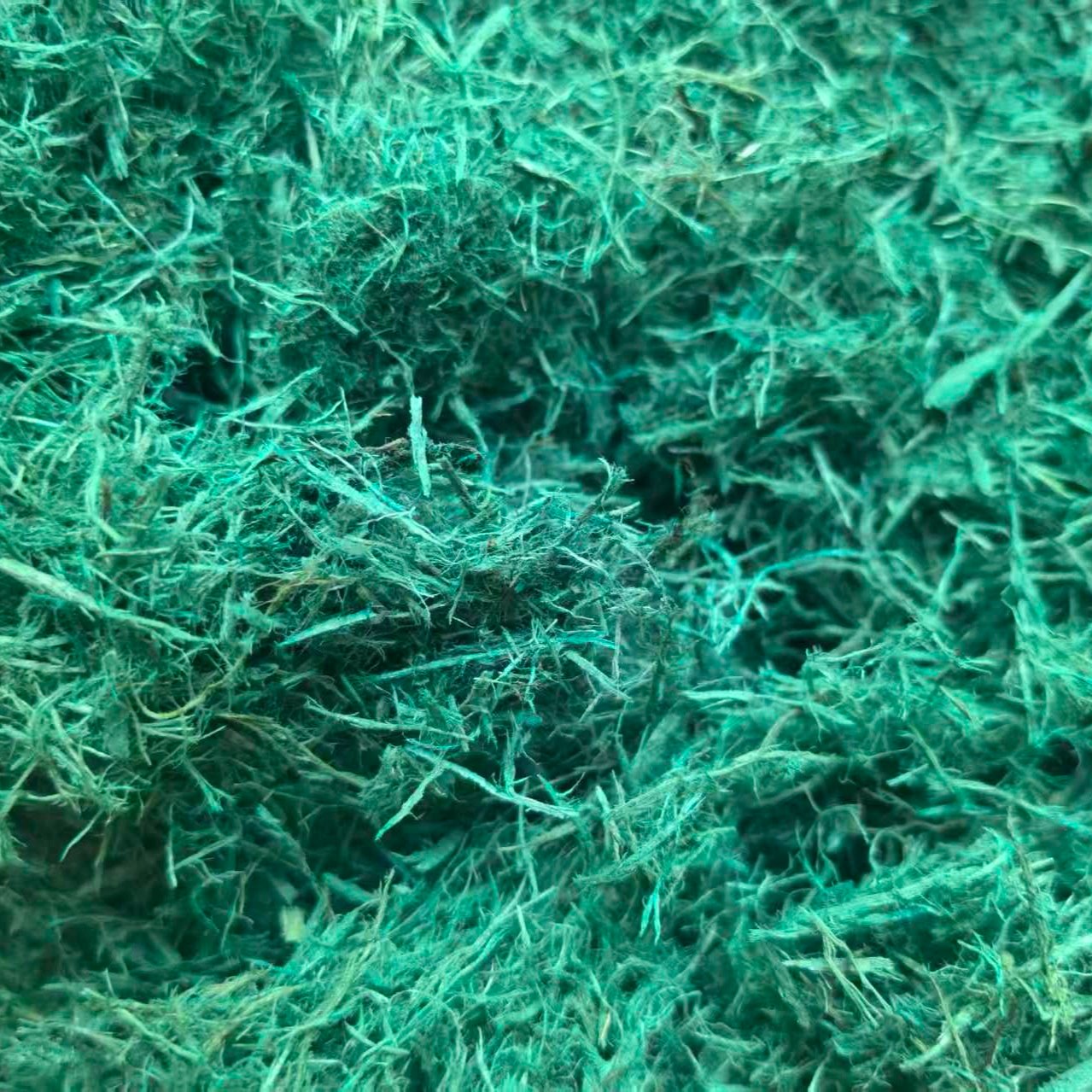
Green Poplar Wood Fiber: Environmentally dyed. The slope surface turns green immediately after spraying for good visual effect, ideal for projects with high landscape & acceptance requirements.
✅ Application: Hydroseeding, mine reclamation, highway & railway slopes, riverbank protection; compatible with hydroseeding binder, water retaining agent and 3D geonet.
 The fibers interlock with each other and form a porous, stable matrix after hydroseeding. It retains moisture and resists rain erosion. Rich in organic matter, it degrades gradually over time to continuously supply nutrients for vegetation and improve the substrate conditions of rocky and barren slopes.